Your cart is currently empty!
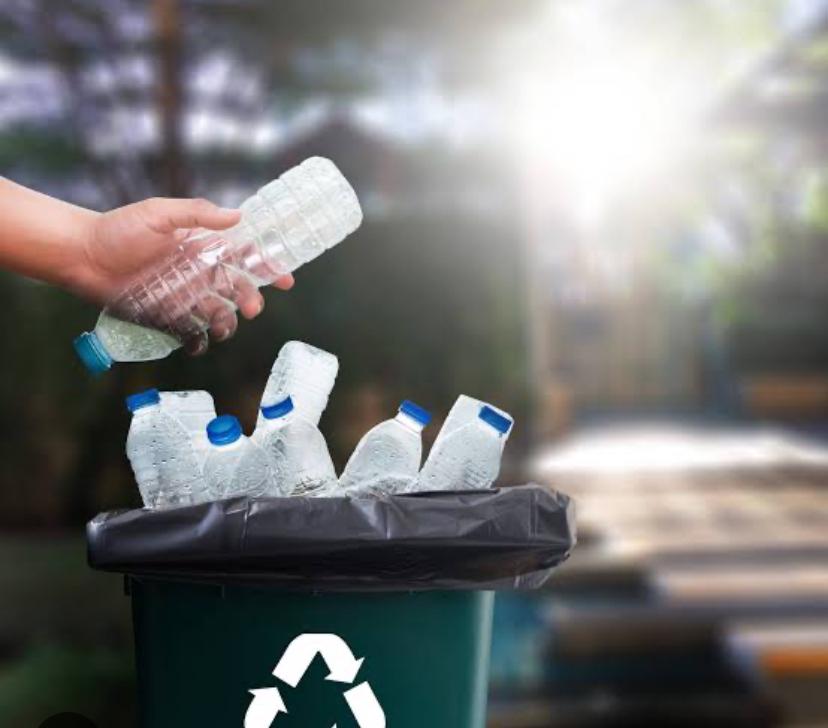
Every day, millions of tons of waste end up in landfills and oceans. Yet a large portion of this waste can be recycled into something useful. Recycling is not just about protecting nature; it is about ensuring clean communities, saving resources, and building a healthier future. To make a lasting change, people must first be sensitized to the importance of recycling.
The Environmental Case
Recycling reduces pollution and conserves resources. When plastic bottles are recycled, fewer new plastics need to be produced, cutting down on harmful emissions. Recycling paper saves trees and water. Electronic waste recycling prevents toxic substances from contaminating soil and water. Each small action reduces the pressure on the planet.
The Economic Case
Recycling creates jobs. From collection to processing, the recycling sector provides employment to thousands worldwide. It also saves money. Households that separate waste can reduce disposal costs, and governments spend less on landfills. Many entrepreneurs now build businesses around recycled materials—from fashion to construction—proving that waste can be wealth.
The Health and Community Case
Poor waste management leads to clogged drains, polluted air, and disease outbreaks. Recycling reduces the trash that piles up in communities, creating cleaner and safer neighborhoods. Schools and community groups that organize recycling projects not only protect the environment but also foster teamwork and responsibility.
Practical Ways to Sensitize People
Schools – Run recycling competitions, create eco-clubs, and include waste education in lessons.
Media – Use social media, local radio, and short videos to spread messages.
Community Events – Organize clean-up drives, recycling fairs, and awareness walks.
Government & NGOs – Support policies, provide recycling bins, and sponsor campaigns.
Everyday Life – Label household bins, reuse shopping bags, and talk about recycling with friends and family.
Call to Action
Change begins with awareness, but awareness must lead to action. Start by separating your waste at home. Encourage your school, workplace, or community to set up recycling bins. Share recycling tips online. Visit a local recycling center and learn how they operate.
Recycling is not just an individual choice—it is a collective responsibility. The sooner we act, the better our planet will be for generations to come.
Related Post
-
Why Recycling Should Be Everyone’s Priority
Every day, millions of tons of waste end up in landfills and oceans. Yet a large portion of this waste…
-
How to improve on the standards of recycling?
To improve recycling standards, focus on educating stakeholders, establishing clear policies, promoting proper waste segregation, ensuring quality control, partnering with…
-
Why Recycling Matters
Recycling is one of the simplest and most effective ways to protect our environment. Instead of throwing everything away, recycling…
Latest Posts
-
Why Recycling Should Be Everyone’s Priority
Every day, millions of tons of waste end up in…
-
How to improve on the standards of recycling?
To improve recycling standards, focus on educating stakeholders, establishing clear…
-
Why Recycling Matters
Recycling is one of the simplest and most effective ways…